
Your Website Looks Great. But Is It Bringing You Clients?
Reading time 5 minutes
A beautiful website is a great starting point. But if it isn't attracting visitors, encouraging enquiries, or helping your business grow, it may not be doing its job.
When small business owners think about improving their websites, they often focus on appearance. Is the design modern? Are the photographs attractive? Does everything look professional?
Those things matter, of course. Your website is often the first impression someone has of your business.
But here's a question worth asking: What happens after someone arrives?
A successful website should do more than look good. It should help potential customers understand what you offer, establish confidence in your business, and make taking the next step easy.
Let's look at five things that can make the difference between a website that simply exists and one that actively supports your business.
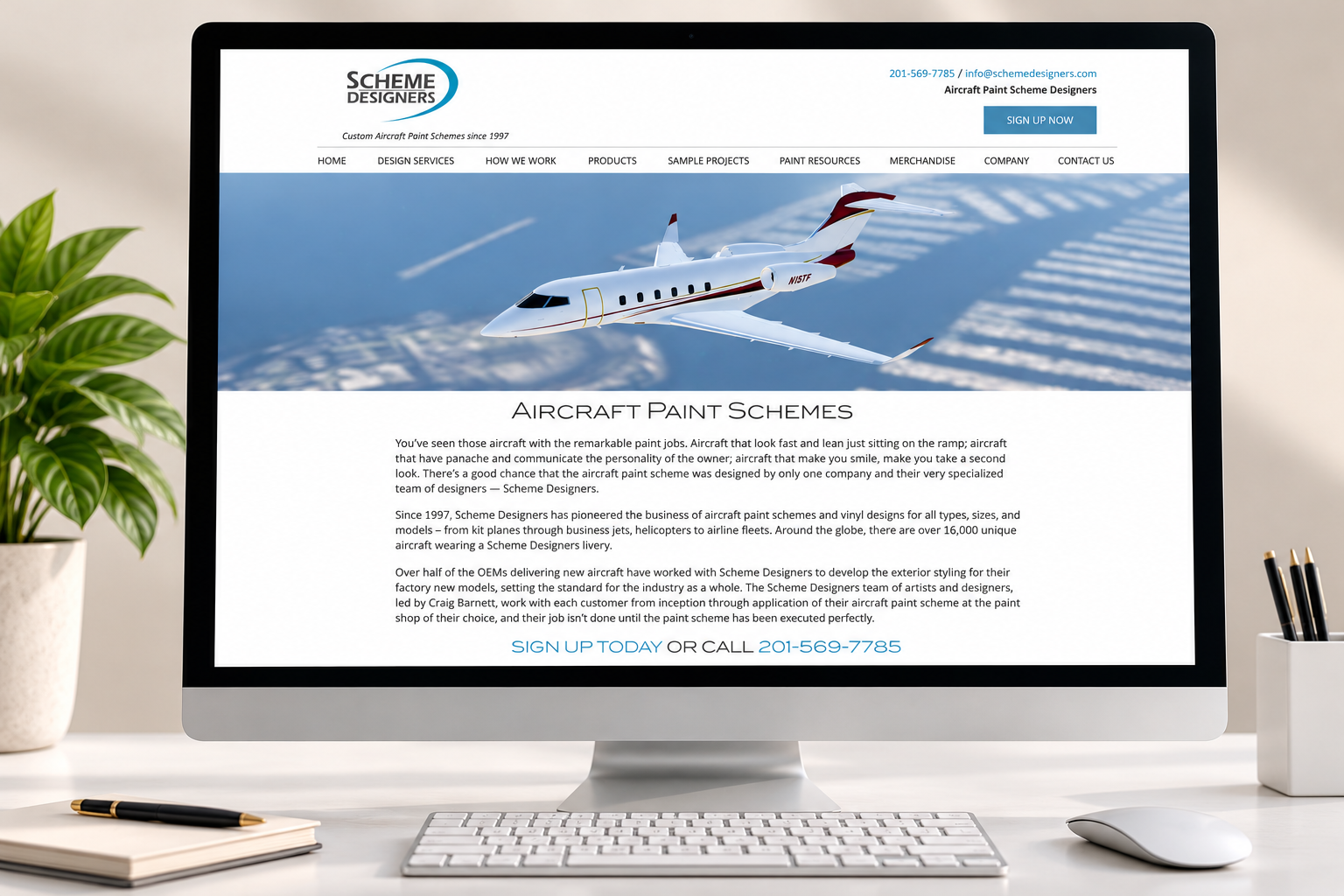
1. Are the Right People Finding Your Website?
You can have the most beautiful website in your industry, but it won't accomplish much if nobody can find it.
Search engine optimization (SEO) helps Google and other search engines understand what your business offers and where you provide your services.
For small businesses, this means thinking beyond your company name. Your potential customers may be searching for a particular service, asking a question, or looking for a provider in their local area.
A website with clearly organized service pages, useful content, descriptive headings, and appropriate location references has a better opportunity to appear for relevant searches.
And today, search visibility extends beyond Google. AI-powered search tools are changing how people discover businesses, making clear, helpful website content increasingly important.
The takeaway: Your website should be written for the questions your customers are actually asking.
2. Does Your Website Explain What You Do?
It sounds obvious, doesn't it?
Yet I've visited countless websites where the design is impressive, but I'm left wondering what the business actually offers.
Clever headlines and beautiful photography have their place, but clarity is essential.
Within a few seconds, visitors should understand:
- What your business does.
- Who your services are for.
- Where you operate, if location matters.
- Why someone should choose you.
- How to get in touch.
Dedicated service pages are particularly valuable. Rather than squeezing everything onto one general page, give your important services room to breathe.
This also creates opportunities to attract visitors searching for those individual services.
The takeaway: Don't make potential customers work to understand your business.
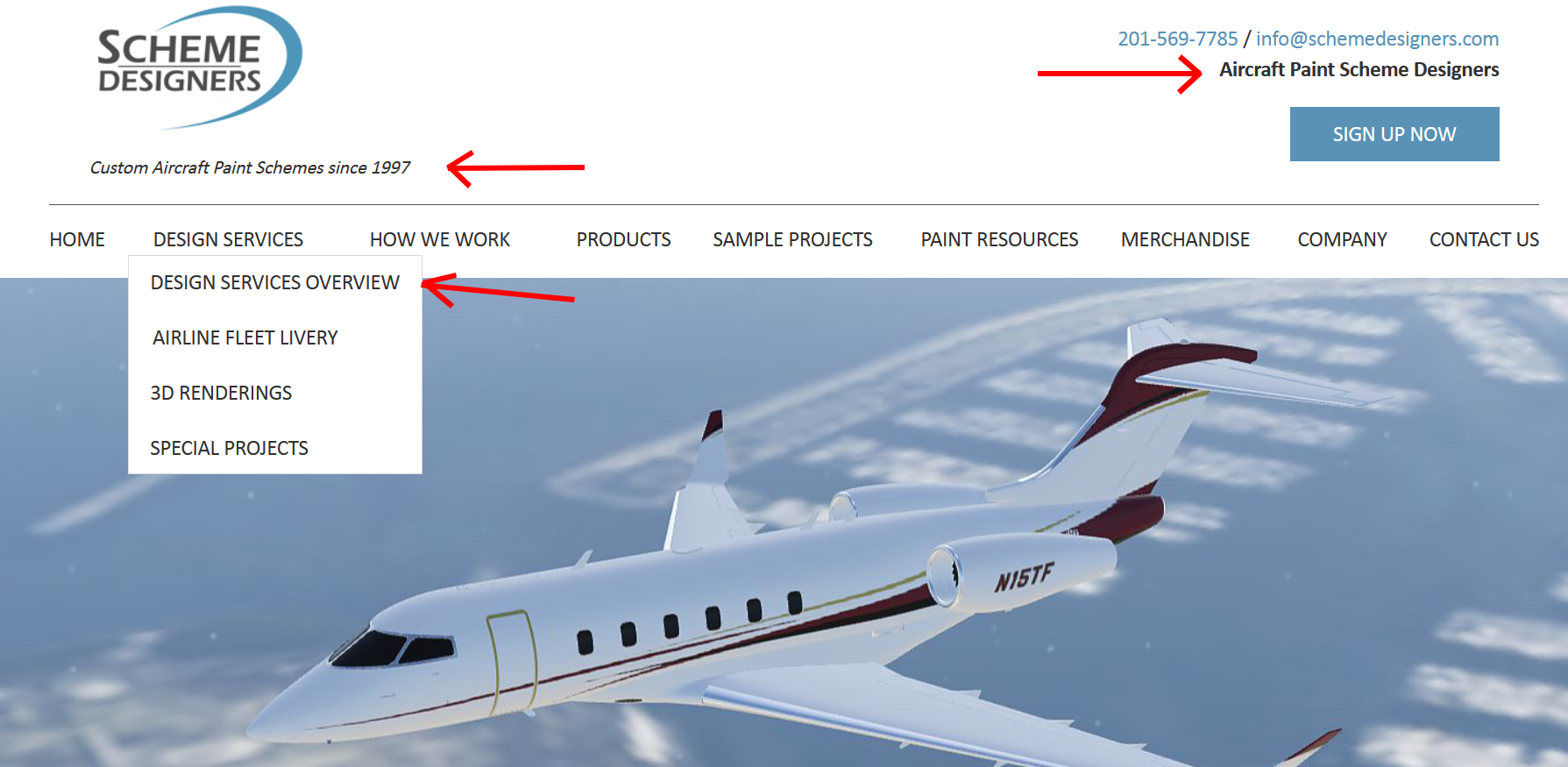
3. Are You Giving Visitors a Reason to Trust You?
Before someone contacts a business, they usually want reassurance that they're making a good choice.
Your website should help build that confidence.
Testimonials, customer reviews, project examples, professional qualifications, and information about your experience all contribute to credibility.
Your About page is especially important. People like knowing who they're dealing with, particularly when they're considering a substantial purchase or a professional service.
And don't underestimate the value of explaining your process. Helping visitors understand what happens after they make an enquiry can remove uncertainty and encourage them to take that first step.
The takeaway: Show potential customers why they can feel confident working with you.
4. Is It Easy for Someone to Contact You?
Imagine a visitor has spent several minutes exploring your website and decides they'd like to speak with you.
What happens next?
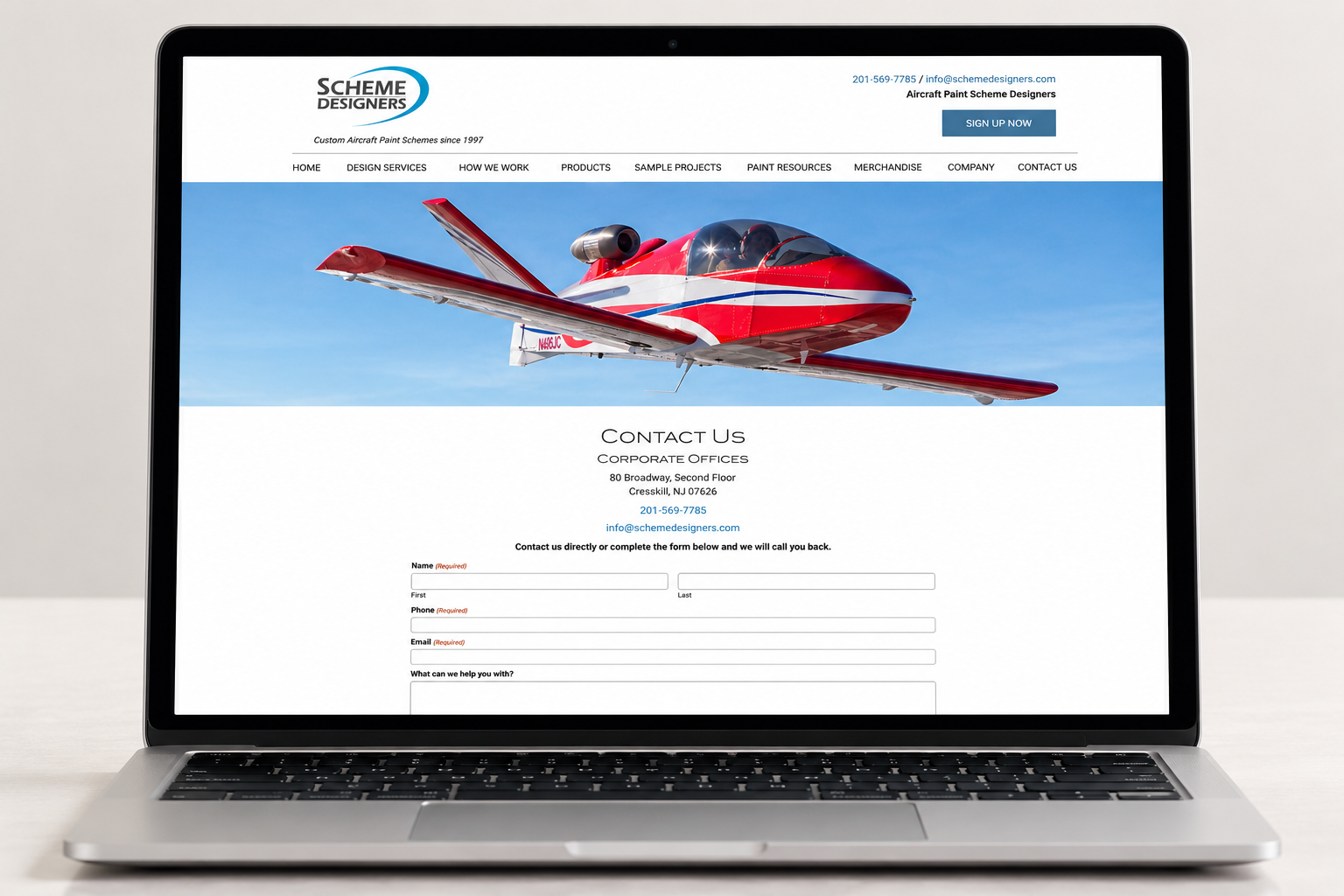
Do they have to hunt for your telephone number? Is your contact form unnecessarily complicated? Does your website work properly on a mobile phone?
These may seem like small details, but they can make an enormous difference.
Calls to action should appear naturally throughout your website, particularly on important service pages.
Depending on your business, that might mean inviting visitors to schedule a consultation, request an estimate, ask a question, or simply get in touch.
And once someone submits a form, make sure there's a clear confirmation that their enquiry has been received.
The takeaway: When someone is ready to contact you, make it effortless.
5. Do You Know Whether Your Website Is Working?
This is where many small businesses miss an opportunity.
Having a website isn't the same as understanding its performance.
Tools such as Google Analytics 4 and Google Search Console can help answer important questions.
Are people finding your website through Google? Which pages attract the most visitors? Are people arriving from advertising campaigns? Are they completing contact forms or clicking to call?
These insights can help you make informed decisions about your website and marketing budget.
For example, a page that receives plenty of visitors but generates few enquiries may need clearer messaging or a stronger call to action.
A service page that receives little traffic might benefit from improved SEO or more useful content.
And if you're investing in Google Ads or other digital advertising, conversion tracking can help you understand whether those campaigns are producing meaningful results.
The takeaway: Website traffic is interesting. Enquiries and customers are what ultimately matter.
Your Website Should Be Working as Hard as You Do
A small business website isn't something you create once and forget.
Your services evolve. Customer expectations change. Search technology continues to develop.
Regularly reviewing your website's content, search visibility, usability, and performance can help ensure it continues supporting your business.
The good news is that improving results doesn't always require a complete redesign.
Sometimes, better service descriptions, clearer calls to action, stronger internal links, or more effective tracking can make a meaningful difference.
At Makers Freelance, I help small businesses make better use of their websites through website design, SEO and AI search visibility, digital advertising, and content marketing.
Because a successful website shouldn't simply look impressive.
It should help your business grow.
Is your website doing everything it could for your business? Let's talk about how to make it work harder for you.